
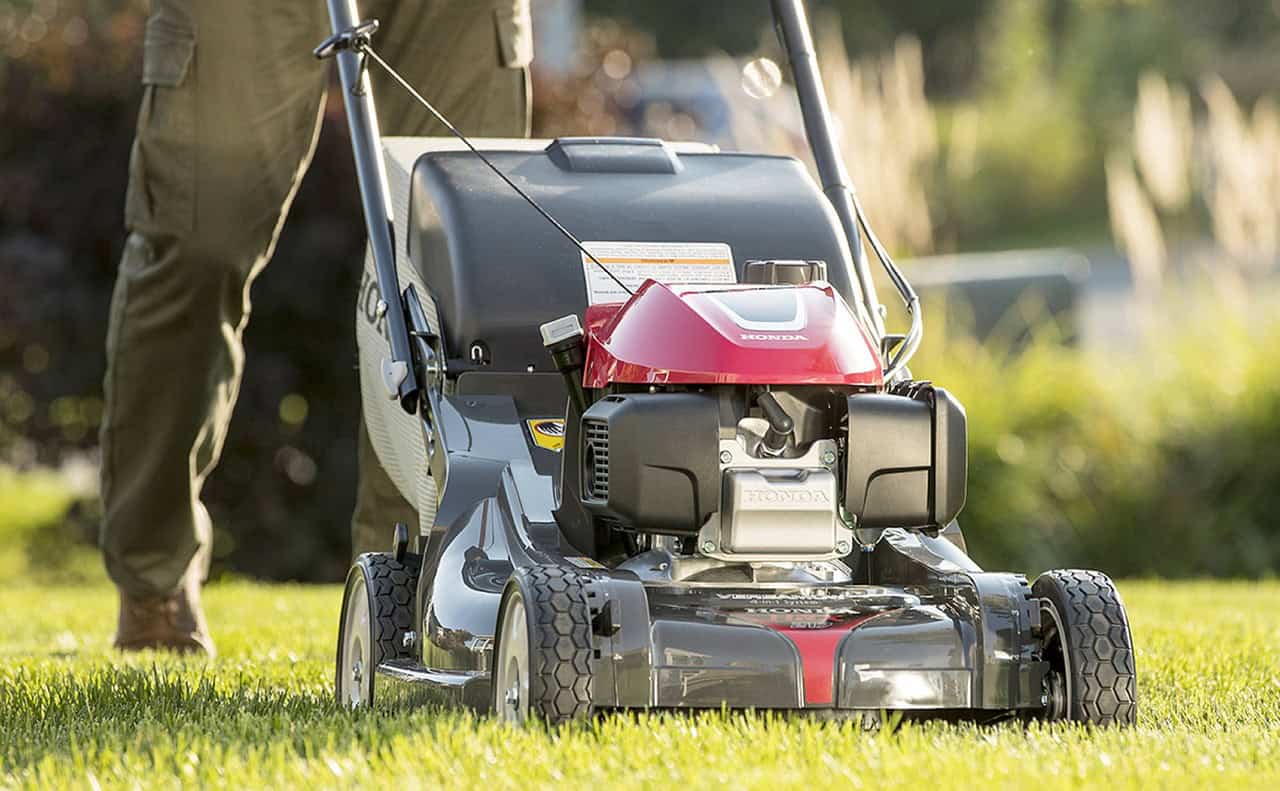
Your lawn is one of the first things people notice about your home. It frames your property, reflects your pride of ownership, and — done right — can genuinely boost your curb appeal and even your home’s value. So when you’re ready to hand that responsibility to a professional, the decision deserves more than a quick Google search and a call to whoever ranks first.
The lawn care industry is full of great companies — and unfortunately, a fair number of unreliable ones. Knowing what to look for before you sign a contract can save you thousands of dollars, months of frustration, and a lawn that ends up worse than when you started.
Here’s exactly what to evaluate when hiring a lawn care company.
1. Licensing, Insurance, and Certifications
This is the non-negotiable starting point. Before anything else — before price, before reviews, before anything — a legitimate lawn care company needs to be properly licensed and insured. Here’s why it matters:
Pesticide Applicator License
In Indiana, any company applying herbicides, pesticides, or fertilizers containing pesticides must hold a valid Commercial Pesticide Applicator License issued by the Indiana State Chemist. This is state law — not optional. If a company is putting chemicals on your lawn and can’t show you this license, walk away.
General Liability Insurance
Accidents happen. A mower throws a rock through your window. A worker trips and falls on your property. If the company isn’t insured, you could be liable. Ask for a certificate of insurance and make sure coverage is current — not expired.
Workers’ Compensation
If a crew member is injured on your property and the company doesn’t carry workers’ comp, you could face a personal injury claim. Always verify this coverage exists before work begins.
Pro tip: Don’t just ask — request documentation. Reputable companies will provide certificates of insurance without hesitation. Hesitation or vague answers are red flags.
2. Local Reputation and Verifiable Reviews
Word of mouth is still the most reliable vetting tool in the lawn care industry. A company that’s been operating in your community for years and has a trail of verifiable, positive reviews is worth its weight in gold.
Where to look for honest reviews:
- Google Business Profile — Look for volume (50+ reviews) and recency. A company with 200 reviews from the last two years tells a very different story than one with 12 reviews from four years ago.
- Nextdoor — Neighborhood-level recommendations are highly trustworthy because neighbors are accountable to each other.
- Better Business Bureau (BBB) — Check for complaints, how they were resolved, and the company’s rating.
- Facebook Reviews — Especially useful for local businesses where community members tag real names and faces.
- Ask your neighbors directly — If someone on your street has a lawn you admire, knock on the door and ask who takes care of it.
Pay attention to how a company responds to negative reviews. A professional, solution-oriented response to a complaint tells you far more about a company’s character than a string of five-star reviews.
3. Services Offered and Expertise Match
Not every lawn care company offers the same services — and not every company that offers a service does it well. Before hiring, make sure the company’s expertise actually matches what your lawn needs.
Common lawn care services to ask about:
- Fertilization programs — Do they use a multi-step seasonal program, or just one generic application?
- Weed control — Pre-emergent and post-emergent application, broadleaf weed control, and crabgrass prevention
- Aeration and overseeding — Critical for Indiana lawns in late summer/fall
- Grub control — Common in Indiana; ask if they scout for grub pressure before applying
- Mowing services — Are they using sharp blades and proper mowing heights for your grass type?
- Irrigation system management — If applicable to your property
- Tree and shrub care — Some companies bundle this; others specialize separately
Be cautious of companies that offer every possible service but seem to have no depth of knowledge in any single area. Lawn care done well requires real expertise — not just a truck and a spreader.
4. Transparent Pricing and Written Agreements
If a company can’t give you a clear, written quote — run. Pricing doesn’t have to be rigid, but it needs to be transparent. Here’s what a trustworthy pricing structure looks like:
- Itemized quotes — You should know exactly what each service costs, not just a lump sum.
- No hidden fees — Ask specifically: Are there fuel surcharges, service call fees, or seasonal rate adjustments?
- Written service agreement — Know what’s included, how often services are performed, what triggers extra charges, and what the cancellation policy is.
- Annual program pricing vs. à la carte — Understand whether you’re signing up for a full-season program or individual visits, and what auto-renewal terms look like.
- Guarantees — Does the company stand behind their work? Some offer a re-treatment guarantee if weeds return within a certain window.
The lowest price is rarely the best value. A cheap lawn care program that uses inferior products, skips applications, or damages your turf will cost you far more to fix than you saved.
5. Communication and Customer Service Standards
A great lawn care company doesn’t just show up and spray — they communicate proactively, answer questions clearly, and treat you like a long-term client rather than just another stop on the route.
Green flags to look for:
- Service notifications — Do they notify you before a technician arrives? After service is complete?
- Detailed service reports — After each visit, you should receive documentation of what was applied, at what rate, and any observations about your lawn’s condition.
- A dedicated point of contact — Can you reach a person who knows your account, or are you always starting over with a call center?
- Responsiveness — How long does it take them to return a call or email? Test this before you hire them.
- Seasonal recommendations — Does the company proactively advise you on what your lawn needs throughout the year, or do they only respond when you call with a problem?
Red flags to watch out for:
- Technicians who can’t answer basic questions about what they’re applying or why
- No follow-up after a service visit
- Difficulty reaching anyone when you have a concern
- High technician turnover — if a different person shows up every time with no knowledge of your lawn’s history, consistency suffers
6. Product Quality and Application Methods
Not all fertilizers and weed control products are equal — and neither are the people applying them. Ask prospective companies about the products they use and how they calibrate their equipment.
Questions worth asking:
- What fertilizer analysis do you use, and how do you determine the right blend for my lawn?
- Do you perform a soil test before recommending a program, or is it a one-size-fits-all approach?
- What pre-emergent products do you use, and what’s the active ingredient?
- How do you calibrate your spreaders and sprayers to ensure accurate application rates?
- Do you use slow-release nitrogen fertilizers, or quick-release products that can burn turf?
- Are your products safe for children and pets, and how long should we stay off the lawn after treatment?
A knowledgeable technician should be able to answer all of these questions confidently. Vague answers like “we use professional-grade products” without any specifics are a warning sign.
7. Local Knowledge of Indiana Turf Conditions
This one is often overlooked, but it matters more than most homeowners realize. A national franchise might have brand recognition, but if the technician doesn’t understand the soil types, seasonal timing, and regional grass challenges specific to Indiana, your lawn will show it.
A company with genuine Indiana expertise will know:
- That Indiana soils vary significantly — from the heavy clay soils of Central Indiana to the sandier loam profiles in the northwest and the more acidic soils common in the southern part of the state
- That Indiana’s position in the cool-season grass belt means Kentucky bluegrass, tall fescue, and perennial ryegrass have very different needs than lawns in Kentucky or Ohio
- The exact pre-emergent timing windows for different parts of the state (see our guide on pre-emergent timing for Indiana lawns)
- That grub pressure from Japanese beetles and masked chafers is a real issue in Indiana and requires proactive scouting — not just blanket application
- How Indiana’s unpredictable spring and fall temperatures affect application windows for herbicides, fertilizers, and overseeding
The 10 Questions to Ask Before You Hire
Before signing anything, run through this checklist with any lawn care company you’re seriously considering:
- Are you licensed to apply pesticides in the state of Indiana?
- Can you provide a current certificate of general liability insurance and workers’ compensation?
- How long have you been operating in this area, and can you provide local references?
- What specific products do you use, and what are the active ingredients?
- Do you perform a soil test before starting a program?
- What does your service agreement cover, and what are the cancellation terms?
- How will I be notified before and after each service visit?
- What is your policy if I’m not satisfied with a treatment result?
- Are the same technicians assigned to my property each visit?
- What do you recommend for my lawn specifically, based on what you’ve seen today?
The Right Company Makes All the Difference
A truly great lawn care company doesn’t just maintain your grass — they educate you, adapt to your lawn’s specific needs, and build a relationship with your property over time. The best ones take pride in results you can see, because your lawn is ultimately a reflection of their work.
At Lawn Masters, we believe Indiana homeowners deserve transparent, expert-level lawn care — not guesswork and empty promises. Whether you’re evaluating your current provider or searching for a new one, use this guide as your standard. Your lawn will thank you for it.
Have questions about finding the right lawn care partner for your Indiana home? Reach out to the Lawn Masters team — we’re always happy to talk turf.