
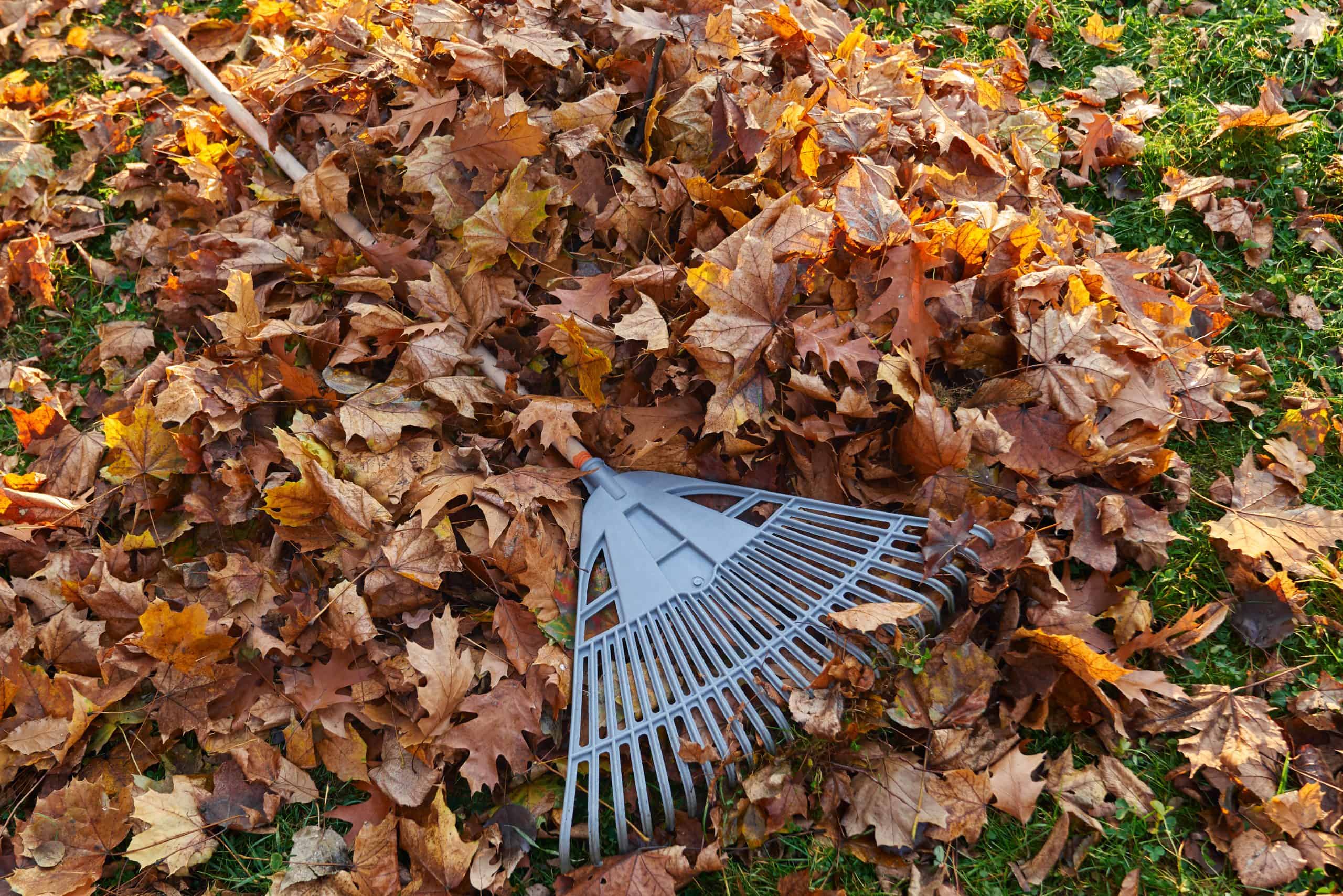
Fall is here, and if you live in Southwest Indiana / Western Kentucky—places like Newburgh, Evansville, Henderson, or Owensboro—you might think your lawn care work is winding down for the year. Actually, it’s just the opposite! Fall is the most important time to care for your lawn if you want it to look amazing next spring.
Here in Southwest Indiana, we live in what lawn experts call the “transitional zone.” That’s a fancy way of saying we get the worst of both worlds: brutally hot summers and cold winters. But with the right fall care, your lawn can handle whatever our crazy weather throws at it.
Why Fall Lawn Care Matters So Much Here
Think of fall lawn care like preparing your home for winter. Just as you wouldn’t skip winterizing your pipes or checking your furnace, you shouldn’t skip preparing your lawn. Here’s what happens when you get fall care right:
- Your grass builds strong roots while it’s not focused on growing tall
- Your lawn stores energy to survive winter and bounce back in spring
- You prevent weeds from taking over next year
- You save money by avoiding costly spring repairs and renovations
The secret is that grass roots keep growing even when you stop mowing. Cool fall weather and regular rain create perfect conditions for building a stronger lawn foundation.
Understanding Your Grass Type
Before we dive into the fall checklist, you need to know what type of grass you have. Don’t worry—this isn’t as complicated as it sounds!
Most Common in Our Area:
- Tall Fescue – Dark green, thick blades that feel slightly rough. This is the most popular choice because it handles our hot summers and cold winters.
- Kentucky Bluegrass – Softer, lighter green grass that looks beautiful but needs more water and care.
- Fine Fescue – Thin, soft blades that work great in shady areas.
- Zoysia – Dense, carpet-like grass that turns brown early in fall but comes back strong in spring.
If you’re not sure what you have, take a photo and ask your local lawn care professional. At Lawn Masters, we help homeowners identify their grass type during our free estimates.
Your Fall Lawn Care Checklist
1. Keep Mowing (But Change Your Strategy)
What to do: Don’t put your mower away just yet! You’ll likely mow through November and maybe into December.
How to do it:
- For most grass types, keep cutting at your normal height through October
- For your last mow of the season, cut slightly shorter (but never scalp your lawn!)
- Keep your mower blades sharp for clean cuts
When to stop: When your grass basically stops growing, usually after a few nights below 40°F.
2. Deal with All Those Leaves
We love our trees here in Southwest Indiana, but all those beautiful fall leaves can smother your lawn.
The simple rule: If you can’t see grass through the leaves, they need to go.
Easy options:
- Rake regularly instead of waiting for all leaves to fall
- Use your mower to chop up light layers of leaves—they’ll break down and feed your lawn
- Bag heavy leaf coverage and add to your compost pile
Pro tip: Many cities in our area offer leaf pickup services. Check with Evansville, Henderson, or your local municipality for collection schedules.
3. Feed Your Lawn for Winter
This is the most important thing you can do for your lawn all year. Think of it as giving your grass a hearty meal before a long winter’s nap.
When to fertilize: Between mid-September and December, while your grass is still green and growing.
What to use: Look for “winterizing” fertilizer with higher potassium (the third number on the bag). Something like 20-8-16 works great.
How much: Follow the bag directions, but generally you’ll use about 1 pound of nitrogen per 1,000 square feet.
Need help? Our Basic 8 Lawn Program includes perfectly timed fall fertilization that takes the guesswork out of feeding your lawn.
4. Fix Bare and Thin Spots
Fall is the absolute best time to get new grass growing in our area. The hot summer stress is over, but there’s still plenty of warm weather for grass to establish.
Best timing: Early to mid-September gives new grass the best chance to establish before winter.
Simple steps:
- Rake bare spots to loosen the soil
- Spread grass seed evenly (follow package directions for coverage)
- Lightly rake again to cover seeds
- Water gently and keep moist until you see new grass sprouting
Seed selection: For most areas, choose a tall fescue blend. For shady spots, try fine fescue. When in doubt, ask at your local garden center or contact us for recommendations.
Professional option: Our lawn seeding service uses premium seed varieties and professional techniques for the best results.
5. Give Your Soil Room to Breathe
If your lawn feels hard when you walk on it, or if water runs off instead of soaking in, your soil is probably compacted. This is super common here because of our clay soil.
Why it matters: Compacted soil prevents water, air, and nutrients from reaching grass roots.
The solution: Core aeration, which removes small plugs of soil to create space.
When to do it: September through early October, when soil has moisture but isn’t muddy.
DIY or pro? You can rent aerators, but they’re heavy and hard to use. Many homeowners find professional aeration worth the cost for the time and effort saved.
6. Stop Weeds Before They Start
Fall is perfect for getting ahead of weeds. Many weeds are actually storing energy in their roots right now, making treatments more effective.
Target these fall weeds:
- Dandelions
- Clover
- Plantain
- Henbit and chickweed (these start growing in fall)
Best approach: Spot-treat problem areas rather than spraying your entire lawn. This is more environmentally friendly and cost-effective.
Timing: Treat on calm days when temperatures are between 50-80°F.
Professional help: Our Basic 8 Lawn Program includes targeted weed control timed perfectly for our local conditions.
7. Adjust Your Watering
As temperatures cool down, your lawn needs less water, but you still need to pay attention.
Fall watering tips:
- Water less frequently but more deeply
- Take advantage of fall rains—they’re usually more reliable than summer rain
- Stop watering if the ground becomes soggy
- Gradually reduce watering as grass goes dormant
When to stop: Most lawns need little to no watering once nighttime temperatures consistently drop below 50°F.
8. Watch for Disease Problems
Cool, wet fall weather can sometimes lead to lawn diseases. Here’s what to watch for:
Warning signs:
- Brown or yellow patches that appear suddenly
- Fuzzy growth on grass blades
- Circular dead spots
- Grass that looks water-soaked
Prevention:
- Keep leaves raked up
- Don’t water in the evening
- Make sure air can circulate around your lawn
If you see problems: Take photos and contact a lawn care professional quickly. Early treatment is much more effective than waiting.
Timing Guide for Our Area
Here’s when to do what in Southwest Indiana / Western Kentucky:
Early September:
- Start fall fertilization
- Begin aeration/overseeding projects
- Continue regular mowing
Mid-September to Early October:
- Treat broadleaf weeds
- Continue leaf management
October:
- Complete overseeding
- Reduce watering frequency
- Keep mowing as needed
Late November/Early December:
- Final mowing of the season
- Complete leaf cleanup
- Prepare for winter
Important note: These are general guidelines. Our weather can be unpredictable, so watch your grass and local conditions rather than just following the calendar.
What About Trees and Shrubs?
Don’t forget about the rest of your landscape! Fall care for trees and shrubs protects your investment and keeps your whole yard looking great.
Simple tree and shrub care:
- Remove dead or damaged branches
- Add 2-3 inches of mulch around trees (but keep it away from trunks)
- Water deeply, especially newly planted trees and shrubs
- Stop pruning to avoid encouraging new growth that won’t survive winter
Professional services: Our tree injection service helps protect valuable trees from pests and diseases over winter.
When to Call the Professionals
Many fall lawn care tasks are perfect for DIY, but some things are worth hiring professionals for:
Great DIY projects:
- Regular mowing and leaf raking
- Light overseeding of small areas
- Adjusting sprinkler timers
- Spot-treating a few weeds
Consider professional help for:
- Soil testing and interpretation
- Large aeration projects
- Comprehensive fertilization programs
- Disease diagnosis and treatment
- Major overseeding projects
At Lawn Masters, we offer everything from our comprehensive Basic 8 Lawn Program to individual services like lawn seeding and landscape bed weed control. We’re here to help with whatever your lawn needs.
Common Fall Lawn Care Mistakes to Avoid
Don’t do these things:
- Skip fall fertilization (it’s the most important application of the year!)
- Cut your grass too short too early
- Leave thick layers of leaves on your lawn
- Overseed too late in the season
- Water too much during cool weather
- Ignore early signs of disease or pest problems
Do these instead:
- Follow a consistent fall care schedule
- Keep mowing until growth stops
- Stay on top of leaf removal
- Plan overseeding for early fall
- Adjust watering for cooler temperatures
- Address problems quickly
Planning for Next Year
Fall is also a great time to think about next year’s lawn care:
Take notes: What worked well this year? What areas need attention?
Plan improvements: Are there spots that need drainage work or soil improvement?
Schedule services: Popular lawn care services book up early for spring.
Equipment maintenance: Clean and service your mower and other tools during the off-season.
Why Fall Care Pays Off
The time and effort you put into fall lawn care will pay dividends all next year:
- Faster spring green-up: Well-fed grass wakes up faster in spring
- Fewer bare spots: Strong root systems fill in thin areas naturally
- Better summer survival: Deep roots help grass handle heat and drought
- Less money spent: Prevention is always cheaper than repair
Working with Southwest Indiana’s Unique Climate
Our location along the Ohio River gives us a unique climate that’s neither fully northern nor southern. This means:
- We can grow both cool-season and warm-season grasses
- Weather can be unpredictable from year to year
- Fall care strategies need to be flexible
- Local expertise makes a big difference
At Lawn Masters, we’ve been working with Southwest Indiana’s unique growing conditions for years. We understand what works here and what doesn’t.
Get Started Today
Fall lawn care might seem overwhelming, but you don’t have to do everything at once. Pick one or two tasks from this list and get started. Your lawn will thank you next spring!
Priority tasks if you can only do a few things:
- Apply fall fertilizer
- Keep leaves raked up
- Continue mowing until growth stops
- Fix any bare spots with grass seed
Remember, every little bit helps. Even basic fall care is better than doing nothing.
Questions About Your Lawn?
Every lawn is different, and sometimes you need specific advice for your situation. That’s what we’re here for! Whether you want to tackle fall care yourself or need professional help, Lawn Masters can guide you toward the best decisions for your lawn.
Contact us for a free estimate or to discuss your specific lawn care needs. We serve homeowners throughout Southwest Indiana / Western Kentucky and understand exactly what your lawn needs to thrive in our unique climate.
Your lawn is an investment in your home and your family’s outdoor enjoyment. With the right fall care, you’ll have a beautiful, healthy lawn that’s the pride of your neighborhood.